Skip to content
 Wikipedia is cited in roughly 13% of all ChatGPT citations, according to SimilarWeb, more than any other domain on the web. That number on its own is interesting. But it’s not the headline.
The real value of a citation report is that it tells you about where to actually show up. If Wikipedia, Reddit, G2, and LinkedIn are the places ChatGPT keeps pulling answers from, those are the exact places your brand needs a presence.
This report breaks down the most cited domains on ChatGPT as of mid-2026, what’s actually winnable versus what isn’t, and what the pattern means if you’re trying to get your brand into that answer.
Key Takeaways
- Wikipedia (13.15%) and Reddit (11.97%) together account for ~25% of U.S. ChatGPT citations, far ahead of any other domain.
- Roughly 67% of ChatGPT’s top-cited pages are dead citations, places like Wikipedia or app store listings that no brand can realistically influence.
- Reddit’s direct licensing deals, worth a combined 130 million dollars a year with Google and OpenAI, gave it built-in access to ChatGPT.
- The real opportunity sits in Reddit, LinkedIn, YouTube, and Forbes, platforms shaped by real participation.
- More citations didn’t mean more clicks. Referral traffic from ChatGPT dropped 52% even as its citations got more concentrated.
Top Domains Cited by ChatGPT
The most complete, recent, and ranked dataset comes from Similarweb’s AI Citation Analysis of nearly 600,000 citation events across ChatGPT (web browsing mode) in the U.S., January–February 2026 (published April 14, 2026):
| Domain | Citations | % | Type |
|---|---|---|---|
| wikipedia.org | 118,285 | 13.15% | Reference |
| reddit.com | 107,680 | 11.97% | Community |
| openai.com | 55,876 | 6.21% | Tech/Platform |
| walmart.com | 26,118 | 2.90% | Retail |
| youtube.com | 23,976 | 2.67% | Video |
| linkedin.com | 21,736 | 2.42% | Community |
| reuters.com | 20,451 | 2.27% | News/Media |
| nih.gov | 19,962 | 2.22% | Reference |
| google.com | 19,478 | 2.17% | Tech/Platform |
| media-amazon.com | 17,477 | 1.94% | Retail |
| wikimedia.org | 17,329 | 1.93% | Reference |
| facebook.com | 15,813 | 1.76% | Community |
| ebay.com | 15,730 | 1.75% | Retail |
| amazon.com | 15,343 | 1.71% | Retail |
| github.com | 14,569 | 1.62% | Tech/Platform |
| apple.com | 13,342 | 1.48% | Tech/Platform |
| yahoo.com | 12,942 | 1.44% | News/Media |
| forbes.com | 12,454 | 1.38% | News/Media |
| fandom.com | 11,630 | 1.29% | Community |
| squarespace-cdn.com | 11,575 | 1.29% | Tech/Platform |
Your Industry’s Leaderboard Looks Different
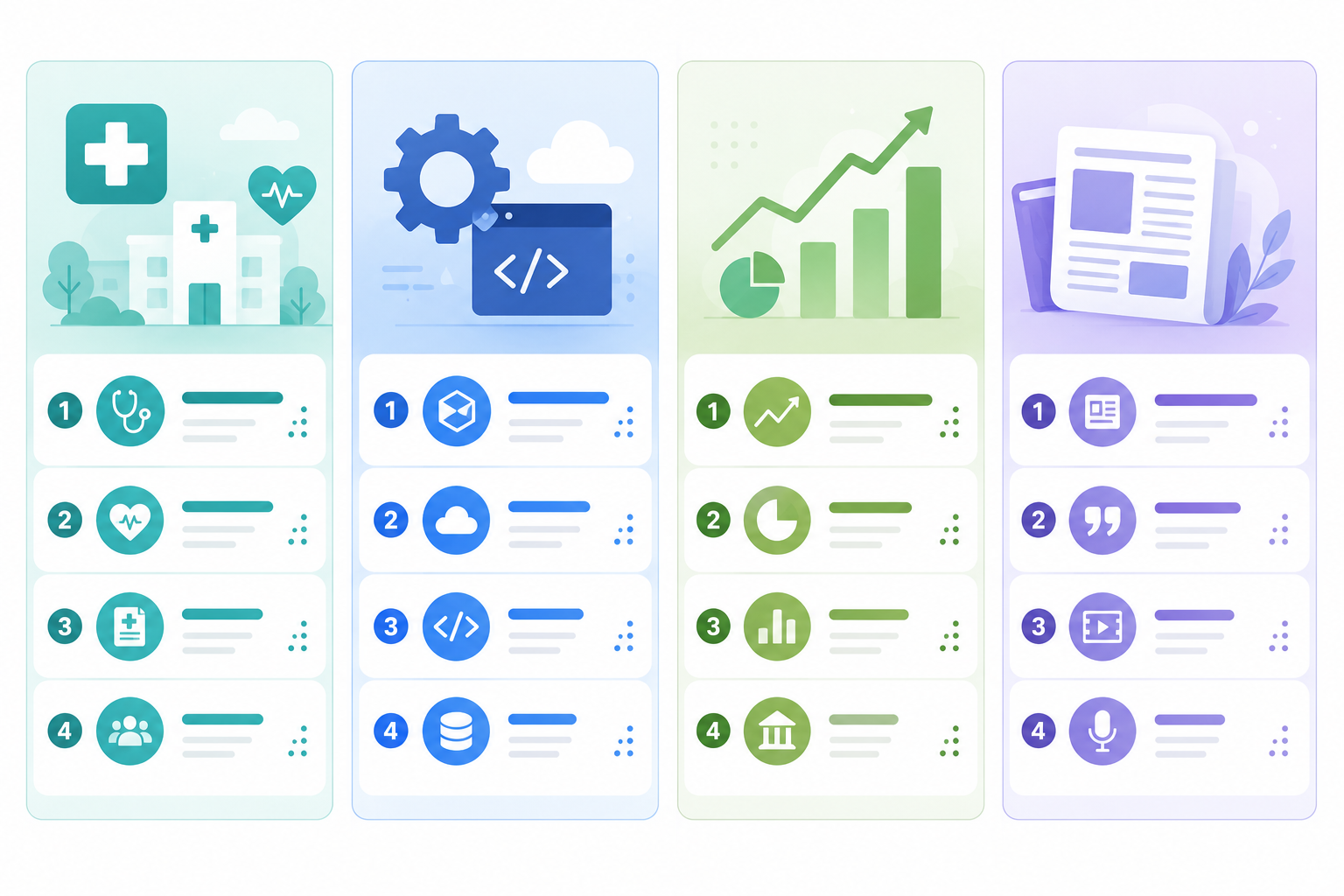
The table above is a U.S.-wide average across all query types. The domains ChatGPT actually cites shift sharply by vertical, which means the platforms worth investing in depend entirely on your category.
A few examples of how the map changes by industry:
- Healthcare: ChatGPT leans heavily on government and institutional sources. NIH already sits at #8 on the overall list, but in health-specific queries it’s joined by major hospital systems like Mayo Clinic and Cleveland Clinic, and medical references like Healthline. Consumer platforms barely register. Earned coverage in recognized health outlets and well-sourced clinical content matter most here.
- B2B SaaS: Citations skew toward G2, Reddit, and LinkedIn. Review platforms and community discussion consistently outweigh your own product pages. If your brand isn’t listed and reviewed on G2 or Capterra, you’re likely invisible in most software recommendation queries.
- Finance: Authoritative and regulatory sources dominate. Bloomberg, Reuters, and SEC filings are the sources ChatGPT leans on for financial queries. Brand-owned content barely breaks through without corroboration from these outlets.
- Media and consumer: Major publishers like Reuters, The Verge, and category-specific outlets lead. Being featured or reviewed in the right publications matters far more than your own content volume.
Why UGC and Reference Sites Dominate
Wikipedia and Reddit aren’t on top by accident. Search Engine Roundtable’s coverage of a 30 million citation study found that ChatGPT leans toward Wikipedia first, then Reddit, while Google AI Overviews leans toward Reddit first, followed closely by YouTube and Quora.
Wikipedia works because it’s structured, comprehensive, and already trusted as a factual baseline. Reddit works for the opposite reason. It’s not structured or polished, it’s raw opinion and lived experience, and that’s exactly what AI models seem to want for a different kind of question.
Part of Reddit’s citation dominance comes from direct licensing deals, not just user preference. Reddit signed a 60 million dollar a year deal with Google in February 2024, then a roughly 70 million dollar a year deal with OpenAI in May 2024. It turned the platform into one of the internet’s largest open archives of real human conversation, now built directly into ChatGPT.
A Huge Chunk of the Leaderboard Isn’t Actually Winnable
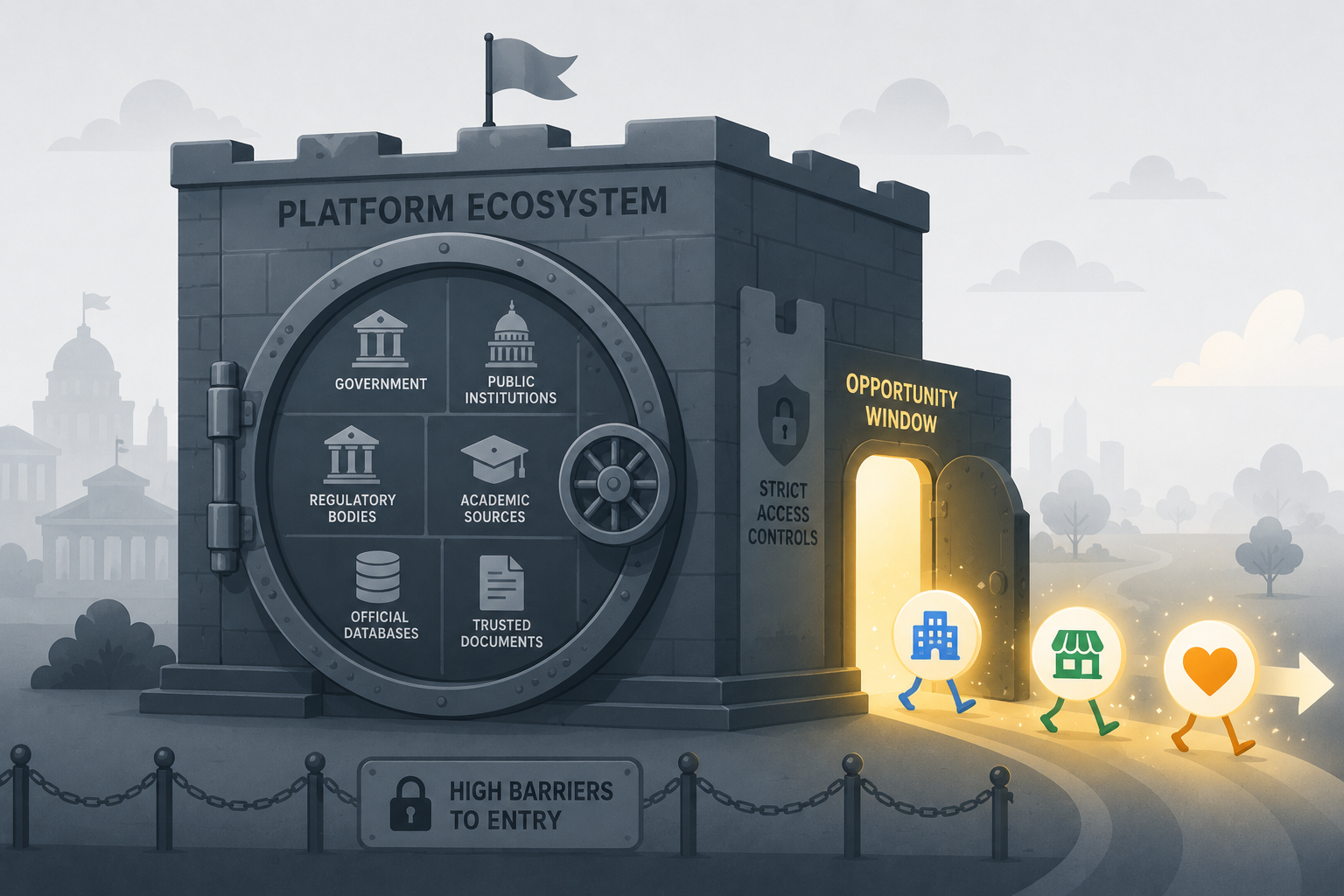
Wikipedia, OpenAI, Google, NIH, GitHub, and Apple aren’t places a brand can buy, pitch, or build a presence on. They’re either platform infrastructure, government institutions, or domains so deeply embedded in how AI models work that no outreach effort changes your odds there.
Ahrefs found that roughly 67% of ChatGPT’s top 1,000 cited pages are what it calls dead citations, Wikipedia entries, organization homepages, and app store listings that brands have no real way to influence.
On top of that, ChatGPT cites a source about 87% of the time, but only names the actual brand in the text around 20.7% of answers, meaning most citations don’t even translate into a visible brand mention. Roughly 61.7% of citations fall into this ghost citation category, a link to your page with no name attached to it.
The good news is the remaining slice, the part actually shaped by reviews, community presence, and earned coverage, is exactly where a brand still has real control.
The Part You Can Actually Win
Strip out Wikipedia, OpenAI, Google, NIH, GitHub, and the other infrastructure-level domains, and what’s left is a genuinely open field.
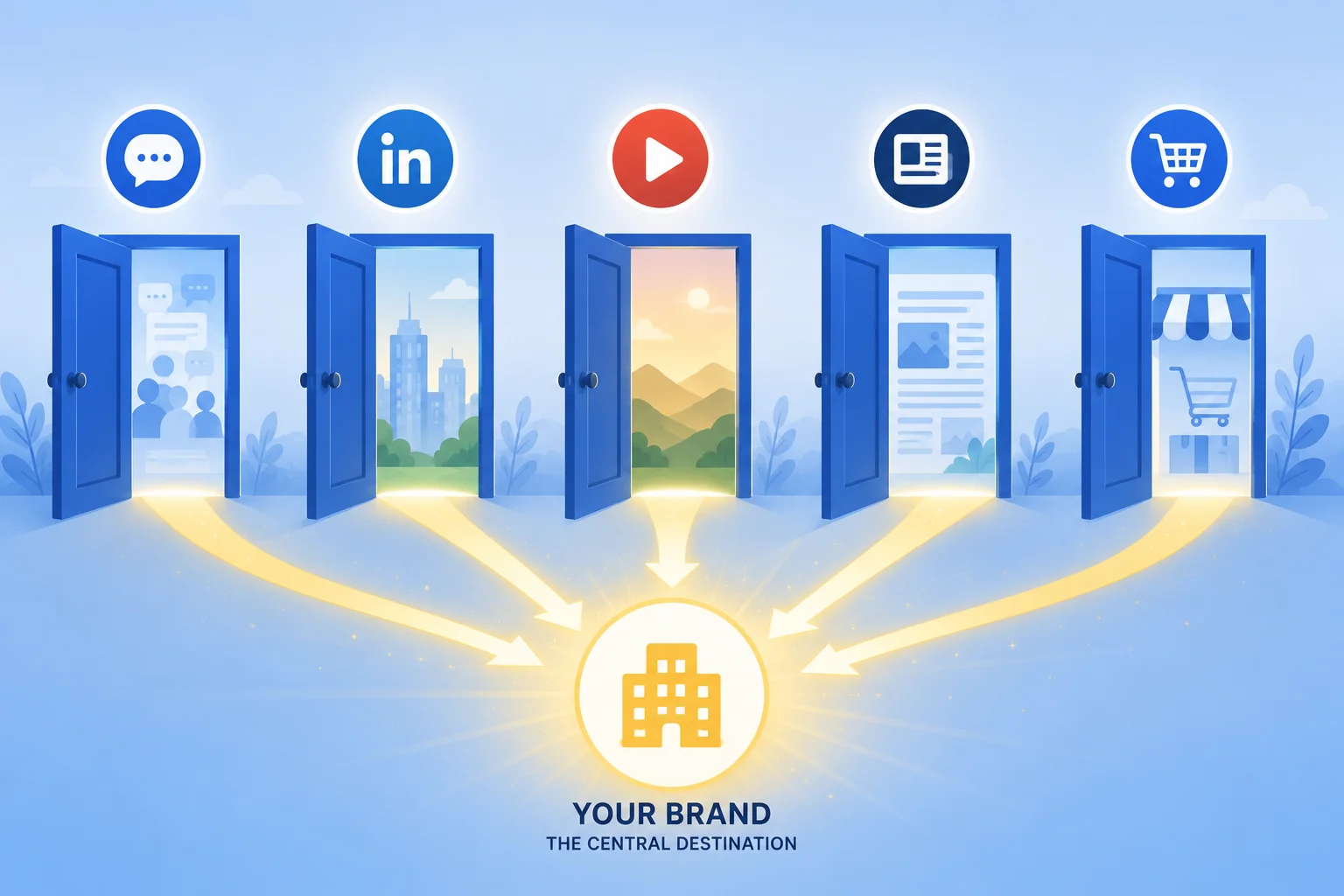
Reddit, LinkedIn, YouTube, Forbes, Reuters, Facebook, Amazon, and eBay all show up high on the leaderboard, and every one of them is shaped by what real people, journalists, and sellers actually do on those platforms.
Here’s how that breaks down by platform.
- Reddit rewards genuine participation. Show up in threads where your actual expertise applies, answer like you’re helping a person (not pitching a customer), and skip the links and self-promotion entirely.
- LinkedIn rewards original, frequent posting. Cited LinkedIn content tends to be long-form (articles) and original rather than reshared, and the accounts that get pulled into AI answers post consistently.
- YouTube rewards useful video content with strong structure, meaning a real description, timestamps, and a clear answer to a specific question, more than it rewards view count. YouTube has a ~200x citation advantage over any other video platform.
- Forbes and Reuters require earning real journalist attention, usually through PR outreach, expert commentary platforms, or genuinely original data worth covering. This one takes longer to build.
- Amazon and eBay reward sellers with strong product listings, reviews, and consistent visibility within their own marketplace ecosystems, which is a different game from the others but still entirely within a brand’s control if they’re selling physical products.
The distribution works in your favor. Evertune’s analysis of 200 million prompts across five months found that even the most-cited domain on any platform rarely exceeds 5% of total citations. The other 95% spreads across thousands of domains. That’s fundamentally different from traditional search, where the top results capture most of the clicks.
AI citation is a long tail with a few outliers at the top, which means a focused brand can absolutely win citations for the specific questions it’s genuinely qualified to answer. You just have to be the clearest, most credible source for your slice of the question space.
Trends to Watch in ChatGPT Citation Sources
ChatGPT’s citation patterns move fast, and a few shifts happening right now are worth tracking closely if you’re trying to plan where to invest next.
LinkedIn Surge
According to sources other than SimilarWeb, such as Profound, LinkedIn climbed from ~#11 on ChatGPT in November 2025 to ~#5 by February 2026, the largest authority shift Profound observed all year.
SEMrush (325,000 prompts, Jan–Feb 2026) found LinkedIn cited in 14.3% of ChatGPT Search responses, ranking it the #2 most-cited domains across ChatGPT/Google AI Mode/Perplexity, ahead of Wikipedia and YouTube in that dataset.
That number looks very different from the 2.42% in the table above. Same platform, very different figures, because the two studies used different prompt sets, time windows, and counting methods. This is worth keeping in mind to treat any single leaderboard as directional, not absolute.
Volatility Is the Norm
Don’t treat any of these numbers as fixed. SparkToro’s research from January 2026 found that ChatGPT has less than a 1 in 100 chance of giving the same brand recommendation list twice for the same query. Ask it the same question on Monday and Friday, and there’s a real chance you’ll get two different answers, with different sources behind them.
The practical takeaway is that a single check, or even a single month of tracking, tells you very little. Citation tracking needs to be an ongoing habit, because the leaderboard you’re reading right now is already starting to shift underneath you.
The Referral Traffic Paradox
Even as ChatGPT’s citations became more concentrated around fewer dominant domains, referral traffic to actual websites dropped roughly 52% in about a month from July 21, 2025, according to Profound’s Josh Blyskal, published August 2025. Worth noting this comes from a single-vendor sample, and some large publishers reported not seeing the same drop. But the broader direction, more concentrated citations paired with fewer outbound clicks, is well documented across multiple sources.
In plain terms, ChatGPT got better at answering questions directly, which means it sent fewer people away to click through and read the source itself. More citations didn’t translate into more visits. If anything, the opposite happened.
If your only goal is driving clicks back to your site, getting cited more often might not move that number much, since the model is increasingly answering the question well enough that the user never needs to leave.
Every Engine Has a Different Personality
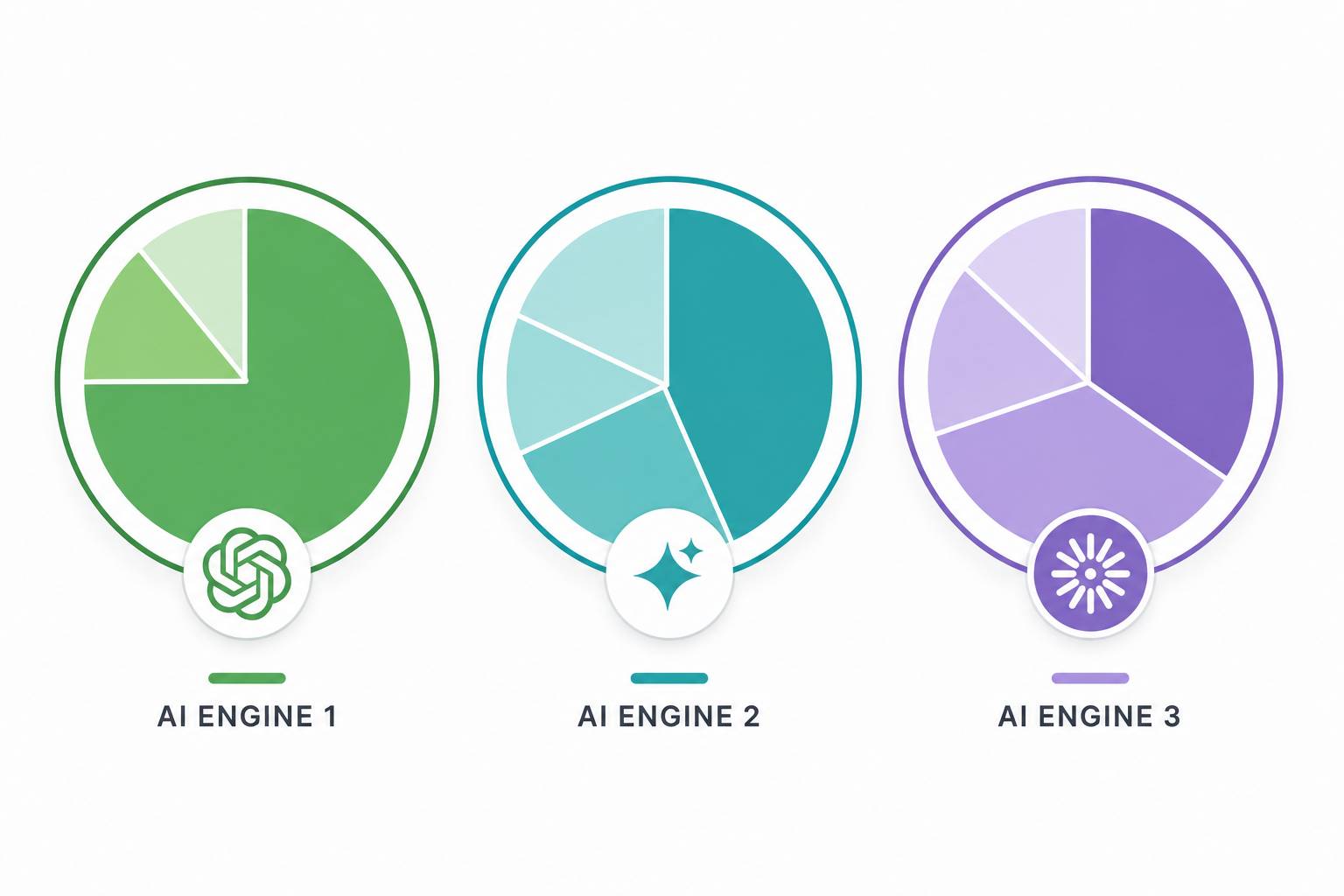
This report has focused on ChatGPT, but it’s worth knowing that this leaderboard doesn’t transfer to other AI engines. Profound’s analysis of 30 million citations between August 2024 and June 2025 found that each platform leans on a completely different mix of sources.
ChatGPT skews encyclopedic, with Wikipedia making up 47.9% of its top 10 sources, followed by Reddit at 11.3%. Perplexity flips that pattern entirely, with Reddit dominating at 46.7% of its top 10 sources, alongside LinkedIn, NIH, and G2. Google AI Overviews spreads itself out more evenly across Reddit at 21%, YouTube at 18.8%, Quora at 14.3%, and LinkedIn at 13%, with Wikipedia trailing far behind at just 5.7%.
The overlap between these engines is small enough to matter. Only about 11% of domains get cited by both ChatGPT and Perplexity, based on a separate 680 million citation analysis from Profound and Averi. Zoom out across all three engines together, and only roughly 2% of cited URLs show up in ChatGPT, Perplexity, and AI Overviews at once.
Want to know whether ChatGPT is citing you, and which competitors it cites instead? Request a GEO visibility audit, and we’ll show you exactly where you stand in AI search and what it takes to climb.
FAQs
Why does OpenAI’s own domain show up as a top-cited source?
ChatGPT frequently cites openai.com itself, often when answering questions about its own features, policies, or product details. This isn’t a competitive space for brands; it’s the model referencing its own documentation.
Is this the same data ChatGPT uses for every response?
No. This citation data only reflects ChatGPT’s web browsing mode, when it actively searches and links to live sources. Many ChatGPT answers come from its pretrained knowledge with no citations at all, so this leaderboard only represents a portion of how the model actually answers questions.
Does getting cited on Reddit or LinkedIn guarantee my brand gets named?
No. A citation just means the AI linked to the page. Research shows the model names the actual brand in only about 1 in 5 answers, so being cited and being mentioned by name are two different outcomes.
Should I stop investing in my own website content if third-party sites dominate?
No. Owned content still matters for traditional search, conversions, and the few citation slots that do come from brand domains. Third-party presence supplements your own content; it doesn’t replace the need for it.
Sources
- https://www.similarweb.com/blog/marketing/geo/most-cited-domains-llms/
- https://www.seroundtable.com/chatgpt-google-aio-sources-39578.html
- https://www.cjr.org/analysis/reddit-winning-ai-licensing-deals-openai-google-gemini-answers-rsl.php
- https://ahrefs.com/blog/chatgpts-most-cited-pages/
- https://www.semrush.com/blog/the-ghost-citations-study/
- https://www.linkedin.com/pulse/linkedin-now-one-most-cited-sources-ai-generated-van-beinum-5afve/
- https://www.brightedge.com/resources/weekly-ai-search-insights/youtube-presence-ai-search
- https://www.tryprofound.com/blog/ai-platform-citation-patterns